
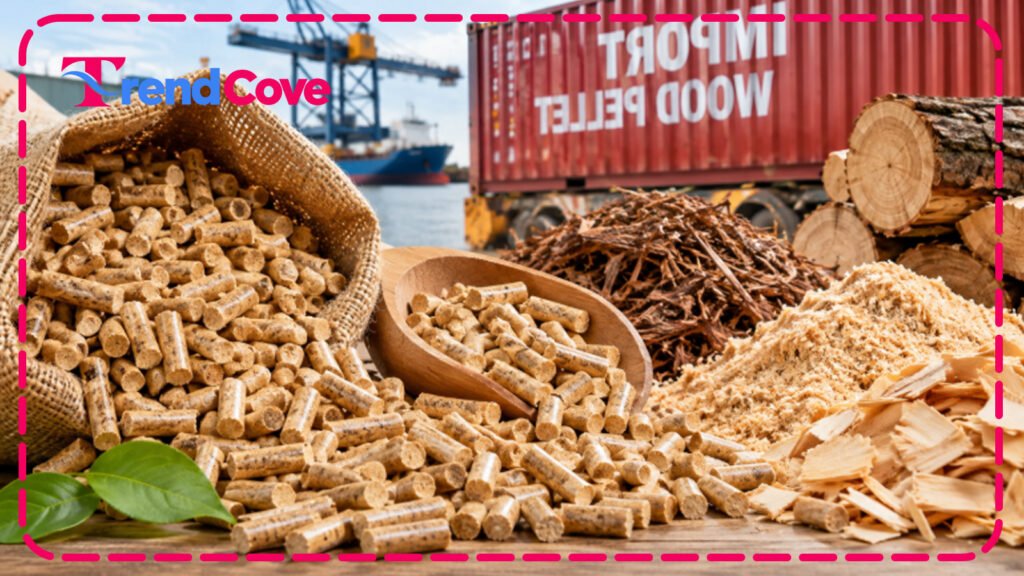
ImportPellet is a search term associated with importing pellet products, particularly wood pellets used for heating, industrial energy, and biomass applications. It brings together two important aspects of international trade: sourcing suitable pellet products and transporting them from overseas manufacturers to buyers in different markets. However, ImportPellet is not a universally recognised technical standard, customs classification, or verified certification.
For businesses exploring international pellet sourcing, understanding the process involves more than finding a supplier. Product quality, certification, transportation, import regulations, storage, and total purchasing costs all influence the final decision. This guide explains what ImportPellet means, how wood pellet imports work, which products are involved, and what buyers should consider before entering the international pellet market.
What Is ImportPellet?
ImportPellet generally refers to the international sourcing and importing of pellet products, especially compressed wood pellets used as renewable biomass fuel. It describes a commercial activity rather than a specific product specification or universally recognised business system.
Wood pellets are small cylindrical pieces manufactured by compressing suitable wood materials, including sawdust, wood shavings, and certain forestry residues. Manufacturers process these materials into compact fuel products that businesses and households can use in compatible heating equipment.
The concept behind ImportPellet connects manufacturers, exporters, distributors, importers, and end users. A buyer may purchase pellets from an overseas producer and arrange transportation to a domestic warehouse, distribution centre, or industrial facility.
The exact meaning can depend on the website or business using the term. Anyone researching a particular ImportPellet service should verify its ownership, activities, and commercial identity rather than assuming the name represents an established supplier.
Why Is ImportPellet Important in International Trade?
International pellet trading connects countries with different production capacities and energy requirements. Some markets have established wood-processing industries that generate suitable raw materials, while others depend partly on imported biomass products to meet demand.
The European Union provides an important example. According to a 2026 USDA Foreign Agricultural Service report, Italy imported approximately 1.912 million tonnes of wood pellets in 2025, compared with 1.847 million tonnes in 2024. Brazil supplied approximately 454,000 tonnes of wood pellets to the EU in 2025.
These figures demonstrate the scale of international pellet trading and the importance of reliable overseas suppliers.
ImportPellet is relevant to businesses that want to understand these international supply relationships. Importers can explore different production markets, compare available products, and assess whether overseas purchasing offers a practical advantage over domestic sourcing.
However, growing demand does not automatically guarantee profitability. Shipping expenses, exchange rates, customs duties, product quality, and local market prices can significantly influence purchasing decisions.
Different Types of Pellets Available for Import
Pellet products come from several raw materials, and each category serves different industries. Buyers should identify their intended application before contacting international suppliers.
Wood Pellets
Wood pellets represent one of the most established categories in the international biomass market. Manufacturers typically produce them from sawdust, wood shavings, and other suitable woody materials.
Households use compatible wood pellet stoves for heating, while commercial buildings and industrial facilities use specialised boilers and energy systems.
Quality matters because moisture, ash content, durability, and dimensions influence fuel performance. Importers should request technical specifications and independent test results before purchasing large quantities.
Agricultural Biomass Pellets
Agricultural biomass pellets come from materials such as straw, rice husks, and other suitable agricultural residues.
These products can provide alternative fuel options for certain industrial and commercial applications. However, their combustion properties differ from those of wood pellets.
Businesses should confirm equipment compatibility and local fuel requirements before importing agricultural biomass products.
Industrial Pellets
Industrial pellet products serve specialised manufacturing and energy applications. Their composition depends on the intended industrial process.
Buyers should never assume that all pellet products share identical specifications. Material composition, handling requirements, safety considerations, and applicable regulations must match the intended use.
How Does the ImportPellet Process Work?
International pellet importing involves several stages. Each stage helps buyers reduce commercial risks and understand the complete cost of receiving products from another country.
1. Identify the Required Product
The first step involves deciding which pellet category meets the intended requirement. Buyers should establish the raw material, quality grade, quantity, dimensions, and intended application.
For example, a household heating distributor may require certified wood pellets suitable for domestic stoves, while an industrial buyer may need a different specification.
Clear requirements make supplier comparisons more meaningful.
2. Research International Suppliers
After identifying the required product, importers can research manufacturers, exporters, and trading companies in suitable markets.
Brazil, the United States, Canada, and several European countries participate in international wood pellet trading.
Supplier research should cover company registration, manufacturing capabilities, export experience, product documentation, and independent business references.
An ImportPellet sourcing strategy should distinguish actual manufacturers from intermediaries because their responsibilities and pricing structures can differ.
3. Check Product Quality and Certification
Product quality is one of the most important considerations when importing wood pellets.
ENplus is an established certification scheme for wood pellets used in heating applications. Its quality classes include ENplus A1, ENplus A2, and ENplus B.
The certification system addresses production, handling, storage, transportation, and delivery requirements throughout the supply chain.
Buyers should independently verify certification details and confirm that the certificate applies to the relevant company and product. A supplier’s unsupported certification claim should never replace proper verification.
4. Calculate Shipping and Import Costs
The supplier’s quoted price does not represent the complete cost of an international shipment.
Importers should consider the following expenses:
- Product purchase price.
- International freight and insurance.
- Port handling and terminal charges.
- Customs duties and applicable taxes.
- Inspection and testing expenses.
- Inland transportation.
- Warehouse and storage costs.
ImportPellet purchasing decisions should consider the total landed cost rather than focusing exclusively on the supplier’s initial quotation.
5. Arrange Customs Documentation
International shipments require appropriate commercial and transportation documentation.
Depending on the destination and shipment arrangement, buyers may need commercial invoices, packing lists, bills of lading, certificates of origin, and relevant product documentation.
Wood pellets are generally associated with HS heading 4401 31, but importers must confirm the correct classification and any additional national tariff digits with their customs authority or licensed customs broker.
Import regulations vary between countries, so buyers should check destination-specific requirements before arranging shipment.
What Are the Main Benefits of Importing Wood Pellets?
International pellet sourcing can offer several commercial advantages when buyers select suitable suppliers and manage transportation effectively.
Access to different suppliers: Importers can compare manufacturers across multiple countries rather than relying exclusively on domestic production.
Greater purchasing flexibility: International suppliers may offer different quantities, packaging arrangements, and product specifications.
Potential cost advantages: Some overseas producers may offer competitive prices, although transportation and customs expenses can reduce the savings.
Supply diversification: Working with more than one verified supplier can help businesses reduce dependence on a single source.
Market opportunities: Distributors and energy businesses can explore additional product sources to support their customers’ requirements.
Nevertheless, ImportPellet operations also involve risks. Currency fluctuations, shipment delays, inconsistent quality, and unexpected import charges can affect business performance.
What Challenges Should Importers Understand?
International pellet purchasing requires careful planning because the physical product can experience quality problems during transportation and storage.
Moisture exposure represents a major concern. Wood pellets can absorb water, swell, break apart, and lose their intended physical characteristics. Damaged products may create handling problems and perform poorly in compatible heating systems.
Supplier reliability also matters. An attractive quotation does not prove that a company has the production capacity or export experience to fulfil an order.
Another challenge involves transportation planning. Bulk shipments and containerised shipments have different handling requirements, costs, and logistical considerations.
Importers should also examine environmental claims carefully. Biomass fuel does not automatically qualify as sustainable simply because manufacturers describe it as renewable. Raw material sourcing, forestry practices, processing, transportation, and emissions all influence its environmental impact.
A responsible ImportPellet strategy therefore combines commercial research with technical verification and proper risk management.
How to Store Imported Wood Pellets Properly
Storage conditions can directly affect the quality of imported wood pellets.
Buyers should keep bagged products in dry, covered, and well-ventilated storage areas. Packages should remain protected from rain, ground moisture, leaking roofs, and damp walls.
Bulk deliveries require suitable storage facilities, such as purpose-built silos designed for pellet handling. Operators should follow the manufacturer’s storage recommendations and applicable safety guidance.
Wood pellets can also release carbon monoxide during storage. Enclosed storage areas and silos therefore require appropriate safety controls, ventilation, and access procedures. Workers should never enter a pellet storage space without following the relevant confined-space safety procedures.
Proper storage protects product quality while reducing unnecessary material losses.
Is ImportPellet a Business, Brand, or Certification?
The word ImportPellet can appear in different online contexts, which makes its identity important to clarify.
As a descriptive term, it relates to the international importing of pellet products. However, the word itself does not establish that a particular company exists or that a specific product meets recognised quality standards.
It is also not a replacement for ENplus certification or an official customs classification.
If a website or commercial service uses ImportPellet as its name, readers should examine its ownership, published business information, services, and independent reputation.
For buyers, the most valuable evidence comes from verifiable company records, valid product documentation, reliable testing, and transparent commercial agreements.
Conclusion
ImportPellet provides a useful starting point for understanding international pellet sourcing, particularly the wood pellet trade. Successful importing requires more than identifying an overseas supplier or negotiating a competitive price. Buyers must evaluate product specifications, verify certification, understand customs requirements, calculate complete delivery costs, and maintain appropriate storage conditions. International markets offer opportunities for distributors, heating businesses, and industrial buyers, but careful supplier research remains essential. A well-planned purchasing strategy can help businesses make informed decisions while reducing unnecessary commercial and operational risks.
Frequently Asked Questions
What does ImportPellet mean?
ImportPellet is a descriptive search term associated with importing pellet products, particularly wood pellets used for heating and biomass energy. It is not a universally recognised technical certification or official international customs procedure.
Is ImportPellet a registered company?
The name alone does not establish the existence of a registered company. Anyone researching an ImportPellet-related service should verify its legal business identity, ownership, contact information, and commercial activities independently.
Which countries export wood pellets?
Major international wood pellet suppliers include the United States, Canada, Brazil, and several European countries. The most suitable source depends on product quality, availability, freight expenses, and the destination market.
What certification should wood pellet importers check?
ENplus is an established certification scheme covering wood pellet quality and supply-chain requirements. Buyers should verify the certificate’s validity, relevant company details, and applicable product category before purchasing.
How much does it cost to import wood pellets?
Import costs depend on product specifications, order quantity, supplier location, shipping arrangements, customs duties, insurance, and inland transportation. Buyers should compare complete landed costs rather than relying only on factory prices.
Are imported wood pellets environmentally friendly?
Their environmental impact depends on raw material sourcing, manufacturing processes, transportation distances, and combustion conditions. Responsible sourcing and reliable sustainability documentation help buyers evaluate environmental claims.

Trend Cove is your source for the latest celebrity news, biographies, entertainment updates, and trending stories. Discover the stories behind your favourite stars.